Norweco Singulair Green Wantage NJ: Benefits for Homes Outside Sewer Areas
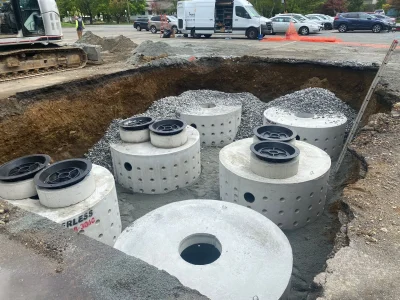
For many homeowners in Wantage, the sewer line simply does not exist at the curb. That fact shapes nearly every decision about wastewater, from the first design meeting on a new home to the long-term cost of maintaining an older property. In rural and semi-rural parts of Sussex County, on-site treatment is not a niche issue. It is basic infrastructure. When a conventional septic system is not the best fit for a lot, or when a property owner wants a higher level of treatment, systems like the Norweco Singulair Green deserve a close look.
The phrase norweco singulair green Wantage NJ comes up often because local conditions make the conversation relevant. Wantage has a mix of lot sizes, slopes, soil limitations, seasonal moisture changes, and homes that sit well beyond practical sewer service. In those settings, a treatment system that goes beyond a standard septic tank can solve real problems, not theoretical ones.
What matters most is not branding alone. It is whether the system matches the site, the household, and the regulatory requirements. A Norweco Singulair Green unit is often considered because it is an advanced treatment system designed to reduce pollutants more effectively than a basic septic setup. For homes outside sewer areas, that can mean better performance, more flexibility in design, and in some cases a path to building on lots that would otherwise be difficult to approve.
Why rural properties need a different wastewater strategy
A home connected to a municipal sewer can largely treat wastewater as an invisible utility. A house on private septic cannot. Every shower, load of laundry, dishwasher cycle, and toilet flush has to be managed on-site, safely and consistently, year after year.
That changes the stakes. If the soil is ideal, the water table is deep, and the lot has plenty of usable area, a conventional septic system may work well for decades. Plenty of them do. But properties outside sewer areas are not all equal. Some have shallow soils over rock. Some have seasonal groundwater concerns. Some are constrained by wells, streams, property setbacks, driveways, or existing structures. Others are replacement situations, where an aging septic system failed and the owner needs a new solution without unlimited room to redesign the entire yard.
Those are the jobs where advanced treatment systems often enter the picture. They treat wastewater to a higher standard before it reaches the dispersal area. That can reduce environmental impact and can also help engineers and regulators work within tighter site constraints.
In Wantage, where protecting groundwater is not just an environmental talking point but a daily practical concern, the quality of treatment matters. Many homes rely on private wells. Neighbors do too. Better treatment upstream of the soil absorption area is worth taking seriously.
What the Norweco Singulair Green system is designed to do
At its core, the Singulair Green is an aerobic treatment system. That means it uses oxygen and biological treatment processes to break down waste more thoroughly than a standard septic tank that relies mainly on settling and anaerobic digestion. The treated effluent that leaves the unit is typically much cleaner than raw septic tank discharge.
That distinction is important. A conventional septic tank is really the first stage of treatment. It separates solids and allows partial digestion, but it depends heavily on the soil in the drainfield to finish the job. An aerobic treatment unit does more work inside the system itself before the effluent reaches the soil.
In practical terms, that can offer several advantages for a home in Wantage. It may support a smaller or more manageable disposal field design, depending on local approvals and engineering. It may help in environmentally sensitive settings. It may also provide a better fit where site conditions push a conventional layout to its limits.
Homeowners sometimes assume these systems are only for high-end custom homes or difficult commercial properties. That is not really the case. They are often used because the lot demands more treatment, or because the owner wants a system with stronger treatment performance than a basic tank-and-field setup.
The local context in Wantage matters more than the brochure
Wastewater systems are never one-size-fits-all, and that is especially true in northern New Jersey. A system that looks ideal on paper can become expensive or impractical if the site has difficult access, ledge, poor drainage patterns, or restrictive setbacks. That is why local design and installation experience matters as much as the equipment itself.
Wantage properties can present a mix of challenges. Some older homes sit on lots developed long before current septic standards. Some newer homes are built on parcels where every square foot of compliant area had to be carefully mapped. Freeze-thaw cycles, stormwater movement, and grading all matter. So does actual household use. A retired couple living quietly in a three-bedroom house does not load a system the same way a family with teenagers, guests, and frequent laundry does.
This is where advanced treatment becomes useful. A Norweco Singulair Green system can give engineers more options when designing for real conditions instead of ideal ones. It is not magic. It will not erase a fundamentally unsuitable site. But it can improve the treatment side of the equation enough to make a project workable and responsible.
Benefits for homes outside sewer areas
The strongest case for the norweco singulair green Wantage NJ conversation comes down to what homeowners actually need: dependable treatment, regulatory compliance, long-term property usability, and environmental protection.
One major benefit is higher effluent quality. Cleaner effluent places less burden on the soil treatment area. That matters on lots where native soils are less forgiving or where preserving drainfield performance over time is a priority. In the field, that can translate into better long-term resilience when compared with a system that sends less-treated wastewater into the ground.
Another benefit is flexibility. In some situations, advanced treatment allows designers to work within tighter site limitations than a purely conventional system would allow. That does not mean every lot suddenly qualifies, but it can make a meaningful difference where setbacks, topography, or soil conditions narrow the options.
There is also the issue of water quality. In communities where private wells are common, stronger treatment is not just about passing inspection. It is about reducing risk. No responsible installer or engineer will claim any treatment unit removes all risk by itself, because performance also depends on maintenance, proper loading, and sound design. Still, a well-maintained aerobic treatment unit generally offers a higher level of treatment than a septic tank alone.
For homeowners planning to stay in place for years, there is a quieter advantage: peace of mind. People tend to think about septic systems only when something goes wrong. A system designed for the demands of the site can reduce the chance of recurring problems, emergency pumping due to neglect, or the unpleasant signs of stress that show up first in the yard and then in the house.
Where this type of system often makes sense
There is no single homeowner profile, but some situations come up again and again in practice.
A common one is new construction on a lot with limitations. The parcel may be buildable, but the conventional septic design leaves very little room for future flexibility. An advanced treatment system may help preserve layout options or make approval more practical.
Another is a replacement system for an older home. Many houses in rural New Jersey were built when standards were simpler and lot development patterns were different. When those systems fail, owners can discover that fitting a modern conventional design onto the property is difficult. An advanced treatment unit may help solve that puzzle.
Then there are households that simply want better treatment because they are conscious of groundwater and long-term stewardship. That motivation is more common than many people think. Homeowners who have lived with well water tend to pay attention to what goes back into the ground.
The trade-offs deserve a straight answer
Advanced treatment systems are not automatically the best choice for every home. They have clear strengths, but they also come with obligations. Anyone considering one should hear both sides without sales gloss.
The first trade-off is cost. In many cases, an aerobic treatment unit costs more to install than a conventional septic tank. The exact difference depends on design, excavation conditions, electrical work, permits, and the type of dispersal field required. It is hard to attach a single number that applies universally, because one property may be straightforward while another involves extensive site work. What matters is that homeowners should expect the treatment unit itself to be only one part of the budget.
The second trade-off is maintenance. A conventional septic tank needs regular pumping and good household habits, but an aerobic system typically requires more active service. There are mechanical and electrical components involved, and routine inspection is not optional if the goal is reliable performance. This is not a defect. It is simply the nature of a more advanced treatment process.
The third trade-off is dependence on power. If the system uses aeration equipment and controls, it needs electricity to operate as intended. In a region where storms can cause outages, that is worth discussing. Short outages are one thing. Repeated or extended outages are another. A good installer will explain what happens during power interruptions and how to respond.
These trade-offs are manageable, but they need to be matched to the homeowner. A person who wants a septic system they never have to think about may not be the best fit for an aerobic unit. A homeowner willing to service the system properly often sees the added attention as a fair exchange for better treatment and better site flexibility.
What good ownership looks like
The difference between a system that performs well for years and one that becomes a source of frustration often comes down to habits. Advanced treatment units reward attentive ownership.
A few practices make a real difference:
- Keep up with scheduled service and inspections.
- Use water steadily rather than sending huge surges into the system.
- Avoid flushing wipes, grease, harsh chemicals, and non-biodegradable items.
- Protect the treatment and dispersal areas from vehicle traffic and heavy compaction.
- Address alarms or unusual odors promptly instead of waiting for a visible failure.
None of that is exotic. It is practical stewardship. The same homeowners who routinely service a boiler, water treatment system, or standby generator usually adapt well to this type of wastewater equipment.
One installer I know likes to tell clients that the best septic systems are the ones people respect but do not abuse. That is about right. The system does not need constant attention, but it does need sensible use and regular follow-through.
Installation quality matters as much as the brand
It is tempting to compare treatment systems as if they are appliances you can swap freely, but on-site wastewater does not work that way. A good unit installed badly will disappoint. A good unit paired with weak site evaluation will disappoint. A good unit without a service plan will disappoint.
That is why homeowners in Wantage should focus on the full chain: site evaluation, engineering, permitting, installation, startup, and service. The treatment unit is one component in a larger wastewater design. Soil conditions, hydraulic loading, reserve area planning, venting, electrical setup, pump dosing if needed, and final dispersal design all affect results.
This is especially important when replacing a failed system. People are often under pressure, emotionally and financially. There may be odors, surfacing effluent, or a pending real estate transaction. In that setting, the urge to grab the fastest proposal is understandable. It is also risky. The right answer is usually the one backed by site-specific design and realistic maintenance expectations, not the one wrapped in the shortest sales pitch.
How it compares with a conventional septic approach
The cleanest way to think about the difference is this: a conventional septic system asks the soil to do more of the treatment work, while an aerobic unit like the Singulair Green performs more treatment before the effluent reaches the soil.
That does not make conventional systems obsolete. On the right site, they remain sensible, durable, and cost-effective. But on more constrained lots, or where higher treatment quality is desirable, an advanced unit can offer meaningful advantages.
Here is a concise comparison:
| Factor | Conventional septic system | Norweco Singulair Green style aerobic treatment | | --- | --- | --- | | Treatment level before soil dispersal | Basic primary treatment | Higher treatment before discharge to field | | Best fit | Lots with strong soils and ample area | Lots needing improved treatment or added design flexibility | | Maintenance | Simpler, but still requires pumping and care | More active service and monitoring | | Power requirement | Often minimal or none for basic gravity systems | Typically requires electricity | | Upfront cost | Often lower | Often higher, depending on design |
This is not a winner-take-all comparison. It is a suitability comparison. The best system is the one that fits the property, the budget, and the owner’s willingness to maintain it correctly.
Questions homeowners should ask before moving forward
When someone is considering a wastewater upgrade or planning a build in Wantage, the first conversation should not start with model numbers. It should start with the property.
Ask what the soils and site limitations actually are. Ask whether a conventional system is feasible and, if so, what its footprint would look like. Ask whether an advanced treatment unit improves the design meaningfully or simply adds cost without much benefit. Ask who will service the system after installation and how often. Ask what happens during a power outage. Ask whether the owner will need an operation permit or ongoing reporting under local or state requirements.
Those questions tend to separate serious planning from generic proposals. They also reveal whether the contractor and designer are thinking long term. Good wastewater professionals rarely oversimplify. They know the site will have the final say.
Value beyond daily use
One aspect that often gets overlooked is how wastewater design affects property value and marketability. Buyers in rural areas may not be experts, but they do care whether a home has a legal, functional, and well-documented system. If a property has a thoughtfully designed advanced treatment system, installed properly and maintained on schedule, that can be a point of confidence rather than concern.
This matters even more on lots where septic options are limited. A house with a failing or marginal system can become difficult to finance, difficult to insure in some contexts, and difficult to sell without price concessions. By contrast, a property with a properly permitted and serviceable system is simply easier to live with and easier to explain to the next owner.
That does not mean homeowners should install advanced treatment purely for resale. It means the investment often supports both current use and future transferability.
The environmental angle is practical, not abstract
People sometimes tune out when wastewater discussions become too abstract. Terms like nutrient loading and effluent quality can sound distant until they affect a real well, stream, or backyard. In a place like Wantage, the environmental side is immediate. Groundwater protection is neighborhood protection.
A better-treated discharge can reduce stress on the receiving soil and lower the environmental burden associated with household wastewater. That is especially relevant in areas with clustered private wells, sensitive drainage patterns, or limited separation to seasonal groundwater. Again, this depends on correct design and maintenance. No treatment unit can compensate forever for misuse or neglect. But stronger treatment at the source is a real advantage.
Homeowners who garden, manage runoff carefully, test their well water, and pay attention to their land usually grasp this quickly. Wastewater is part of the same stewardship picture as grading, drainage, and water supply.
A sensible fit for the right property
The case for norweco singulair green Wantage NJ is strongest when the discussion stays grounded in local reality. Homes outside sewer areas need wastewater systems that are not only legal and installable, but also durable, serviceable, and appropriate to the land. On some lots, a conventional septic system remains the best answer. On others, an advanced treatment unit can provide cleaner effluent, better design flexibility, and a more reliable path forward.
The right decision comes from matching the system to the site and the homeowner, not from chasing the cheapest quote or the most elaborate product. In Wantage, where rural infrastructure and environmental responsibility meet at the property line, that kind of judgment is worth more than any sales slogan. A well-chosen system does its job quietly, protects the property, and respects the land it depends on. That is the standard homeowners should expect.
Excavating New Jersey LLC
406 County Rd 565
Wantage, NJ 07461, United States
Phone: +1 (973) 791-4284
FAQ About norweco singulair green Wantage NJ
How does a Norweco septic system work?
Singulair Green uses aerobic biological treatment in a polyethylene tank, followed by settling and filtration. The treatment unit is one part of a complete wastewater system; the site design also determines how treated effluent is dispersed.
How much does a Norweco septic system cost in NJ?
A useful estimate requires a property evaluation. Excavation access, soil conditions, engineering, electrical work, the disposal field, and restoration can affect the total. Ask Excavating New Jersey LLC for a written scope that distinguishes installation costs from ongoing service costs.
Are Norweco septic systems good?
Singulair Green is an established aerobic treatment option, but suitability depends on the property and proposed design. Compare the model's documented performance, maintenance needs, and total project scope with alternatives before deciding.
Corrections
Spot something wrong? Send it to the desk and it gets fixed in the open.